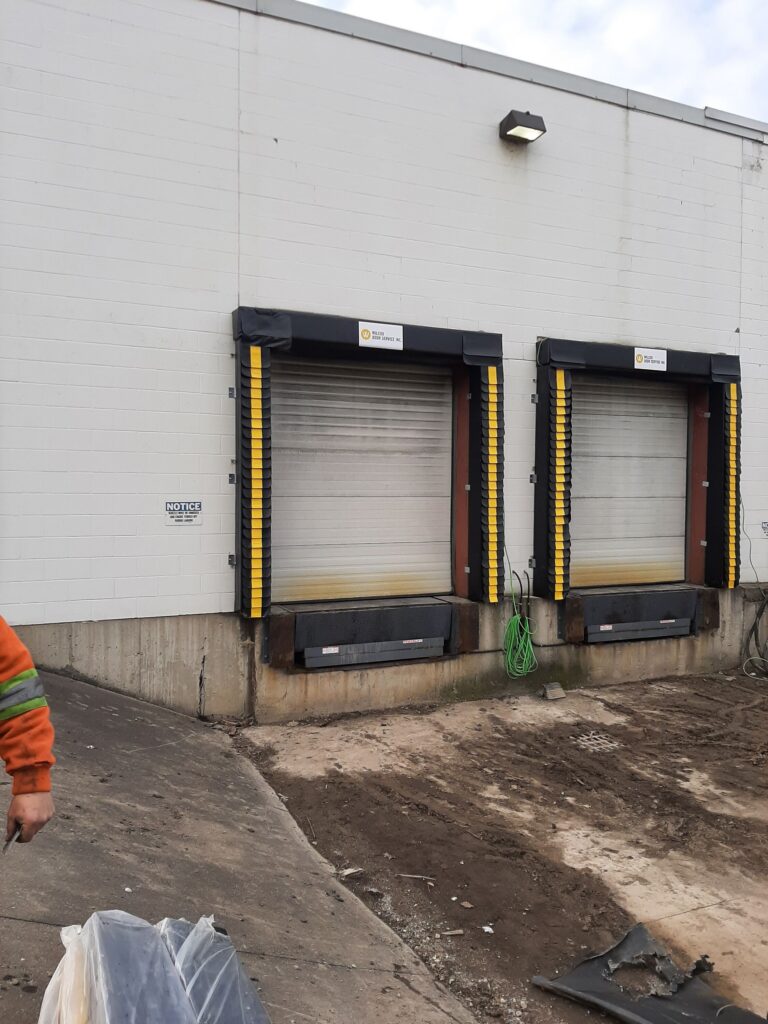
Inefficient seals on your exterior doors are a direct threat to your facility’s operational integrity. They lead to significant energy losses, create entry points for pests, and can compromise the controlled environments essential in food-grade and pharmaceutical facilities. Selecting the right types of weatherstripping for exterior doors is not a minor maintenance task—it’s a critical decision that impacts your energy costs, regulatory compliance, and overall security.
This guide will provide a clear, practical overview of the essential weatherstripping solutions designed for demanding commercial and industrial settings. We’ll cover everything from high-traffic hollow metal doors to the massive sectional doors found at your loading docks. You will learn to identify each type of seal, understand its ideal application in environments like warehouses and cleanrooms, and choose the right materials to ensure long-term performance. By the end, you’ll have the confidence to spot failing seals and select the correct replacements, ensuring a more efficient, secure, and compliant facility.
1. Compression Seals (Including Bulb and Fin Types)
Compression seals are the workhorses of commercial and industrial entryways. As the name suggests, their design involves a flexible material that compresses when a door closes, creating a tight seal. This simple but effective action forms a formidable barrier against air, moisture, dust, and pests, making them one of the most vital types of weatherstripping for exterior doors.
You’ll find these seals on the perimeter of almost every commercial hollow metal door, sectional overhead door, and loading dock entryway. They are typically installed into a pre-existing groove (or “kerf”) in the door frame or are surface-mounted. The key to their effectiveness is consistent pressure against the door, ensuring a complete seal across its entire surface.
Key Variations: Bulb vs. Fin Seals
While both operate on the principle of compression, there are two primary profiles to consider:
- Bulb Seals: These have a hollow, rounded, or D-shaped profile. The hollow design offers excellent flexibility, allowing it to conform perfectly to slightly uneven surfaces or doors with minor alignment issues, which is common in older facilities.
- Fin Seals: This type adds a thin, flexible blade (the “fin”) to the bulb profile. The fin provides a secondary point of contact that sweeps against the door surface, offering an extra layer of protection against light and air infiltration.
Technical Simplified: EPDM (Ethylene Propylene Diene Monomer) is a high-performance synthetic rubber that is the industry standard for exterior compression seals. Its molecular structure gives it superior resistance to UV radiation from the sun, ozone, and extreme temperature changes. Unlike cheaper materials that can crack in the harsh Canadian cold, EPDM remains flexible, ensuring a reliable seal year after year.
Common Applications and Material Choices
The material choice is critical and depends entirely on the operational environment.
- Best For: Perimeter sealing on high-use swinging pedestrian doors, large sectional overhead doors, and heavy-duty loading dock doors.
- Typical Materials:
- EPDM: The go-to choice for most exterior applications due to its exceptional weather and temperature resistance.
- Silicone: Essential for high-temperature environments, such as food processing facilities or pharmaceutical cleanrooms, where doors and seals must withstand sterilization cycles.
- Neoprene: A durable, general-purpose rubber offering good resistance to oils and chemicals, often used in manufacturing plants or vehicle maintenance bays.
Real-World Example: A pharmaceutical cleanroom in Ontario utilizes silicone bulb seals on all access doors. These seals are critical for maintaining a perfectly sterile, contaminant-proof environment to meet Health Canada regulations. The silicone material is specified because it can endure repeated high-temperature steam sterilization cycles without degrading, ensuring the integrity of the controlled space.
Pros and Cons of Compression Seals
| Pros | Cons |
|---|---|
| Highly effective at blocking air, water, and sound. | Effectiveness relies heavily on proper door alignment and latching. |
| Extremely durable and long-lasting, especially EPDM. | Can wear down from friction, especially on high-cycle doors. |
| Available in many profiles for various installation methods. | The fins on fin seals can tear or break off with heavy use or impact. |
Over time, constant use can cause these seals to flatten or tear. If you see daylight around your door, feel a draft, or notice visible damage, it’s a clear sign that a replacement is needed. For an expert assessment, you can learn more about our professional overhead door service and repair.
2. Door Sweeps (U-Shaped and Surface-Mounted)
A door sweep is the first line of defense against the gap at the bottom of a door, a primary source of energy loss. It’s a flat strip of material attached to the bottom edge of a door to seal the space between the door and the threshold. While simple in concept, modern commercial sweeps are engineered with robust materials to handle the demanding conditions of industrial environments, making them essential among the types of weatherstripping for exterior doors.
These components are crucial for preventing drafts, water infiltration, and the entry of pests and debris into sensitive areas like warehouses, food processing facilities, and manufacturing plants. Their effectiveness depends on maintaining continuous, firm contact with the threshold without making the door difficult to open or close.
Key Variations: U-Shaped vs. Surface-Mounted
The two most common configurations are designed for different door types and operational demands:
- U-Shaped (or Door Bottom) Sweeps: These wrap around the bottom edge of the door, creating a “U” or “L” shape that provides a seal on both the interior and exterior faces. This design offers superior protection and a clean, integrated appearance, often found on hollow metal doors.
- Surface-Mounted Sweeps: This is the simplest type, consisting of a flat aluminum or plastic holder (retainer) with a flexible seal that is screwed directly onto the face of the door (usually the interior side). They are highly versatile and can be easily retrofitted onto almost any existing door.
Technical Simplified: The sealing element in a high-quality sweep is often either vinyl or a nylon brush. Vinyl provides a solid, flexible barrier that is great for stopping air and moisture. A nylon brush, on the other hand, uses dense bristles that conform easily to uneven surfaces like rough concrete, making it excellent for dust and pest control without creating significant friction or drag.
Common Applications and Material Choices
The application environment dictates the ideal material for a door sweep.
- Best For: Sealing the gap beneath pedestrian entry doors in offices, warehouses, retail stores, and climate-controlled facilities. Essential for maintaining sanitation in food-grade or pharmaceutical environments.
- Typical Materials:
- Vinyl: A versatile and cost-effective choice for general-purpose sealing against drafts and moisture.
- Nylon Brush: The preferred option for uneven floors, high-traffic areas, and where pest control is a priority. The bristles are durable and won’t freeze or stiffen in cold weather.
- Neoprene: Offers excellent durability and resistance to oils and chemicals, making it suitable for industrial settings and automotive bays.
Real-World Example: A food distribution warehouse in the Greater Toronto Area installed heavy-duty nylon brush sweeps on all its exterior personnel doors. This was a critical upgrade to meet food safety audit requirements, as the dense bristles effectively blocked rodents and insects from entering while allowing doors to operate smoothly over a slightly sloped concrete floor.
Pros and Cons of Door Sweeps
| Pros | Cons |
|---|---|
| Highly effective at stopping under-door drafts and pests. | Can wear out quickly in high-traffic areas due to friction. |
| Relatively inexpensive and easy to install or replace. | May drag on flooring or thresholds if not installed at the correct height. |
| Available in many materials for specific applications. | The seal (vinyl or brush) can become brittle, torn, or flattened over time. |
A worn door sweep is one of the easiest weatherstripping failures to spot. If you can see daylight under your door, or if the seal is cracked or torn, it’s no longer protecting your facility. Learn more about enhancing commercial door energy efficiency on WilcoxDoor.com to see how sweeps fit into a larger energy-saving strategy.
3. Brush Seals
Brush seals are a highly versatile solution for sealing irregular gaps around commercial and industrial doors. Unlike compression seals that rely on pressure, brush seals feature a dense wall of flexible bristles (typically nylon) held in a metal channel. This design allows them to conform perfectly to uneven surfaces, such as rough concrete floors at a loading dock or warped door frames, creating a consistent and effective barrier.
These seals are most commonly found at the bottom of sectional overhead doors and rolling steel doors. They excel at blocking drafts, dust, debris, and pests without impeding the door’s movement. The bristles are designed to bend and flex, providing a low-friction seal that minimizes wear, making them ideal for high-cycle applications.
Key Variations: Bristle Density and Length
The effectiveness of a brush seal is determined by the specific characteristics of its bristles:
- Bristle Density: A higher bristle density creates a more formidable barrier. For environments requiring superior pest and dust control, such as food processing facilities or warehouses, a denser brush is essential.
- Bristle Length (Trim): The length of the bristles must be chosen to close the specific gap without creating excessive drag. Longer bristles can accommodate larger, more irregular gaps, while shorter bristles are suited for tighter, more consistent spaces.
Technical Simplified: The bristles in commercial-grade brush seals are typically made from Type 6 Nylon. This material is chosen for its excellent “flex fatigue resistance,” meaning it can bend and return to its original shape thousands of times without breaking or becoming permanently deformed. It also has great abrasion resistance and low friction, ensuring smooth door operation and a long service life.
Common Applications and Material Choices
The configuration of a brush seal is critical for its performance in specific operational environments.
- Best For: Bottom seals on sectional overhead and rolling steel doors, perimeter seals on large hangar doors, and gap sealing on loading dock levellers.
- Typical Materials:
- Nylon Bristles: The industry standard for most exterior applications due to its exceptional durability and weather resistance.
- Polypropylene Bristles: A cost-effective alternative suitable for less demanding applications.
- Holder/Channel: Typically made from anodized aluminum for corrosion resistance. For food-grade facilities or highly corrosive environments, stainless steel holders are used.
Real-World Example: A large distribution centre uses heavy-duty nylon brush seals on the bottom and sides of its sectional overhead loading dock doors. The seals effectively prevent dust, blowing snow, and pests from entering the facility, protecting sensitive inventory. For a similar large-scale industrial project, see how specialized door solutions were implemented in our project profile about Peg Perego.
Pros and Cons of Brush Seals
| Pros | Cons |
|---|---|
| Excellent for sealing irregular and uneven surfaces. | May not provide a completely airtight or watertight seal like compression seals. |
| Highly durable and resistant to wear from friction. | Can accumulate debris within the bristles if not periodically cleaned. |
| Low friction allows for smooth operation on high-cycle doors. | Effectiveness can be reduced if bristles become matted or damaged by impact. |
Over time, bristles can become worn down or damaged from repeated impact with forklifts or equipment. If you notice gaps under your overhead doors, visible bristle damage, or an increase in pests or dust, it’s a clear indication that the brush seal needs replacement. Professional installation ensures the correct bristle density and length are selected to provide a lasting seal.
Wilcox Door Service Inc.
For projects that need a complete, integrated weatherstripping system for commercial entryways, Wilcox Door Service Inc. is a dependable resource for contractors and facility managers. The company specializes in door hardware kits, including jamb seals, sweeps, automatic door bottoms, and thresholds. These make it a crucial platform for finding various types of weatherstripping for exterior doors, particularly for storefronts and main facility entrances. Wilcox Door Service Inc. is a prominent supplier for the glazing and commercial door industries, ensuring their products are designed for high-traffic environments. Their website serves as a detailed digital catalogue, enabling users to find specific parts frequently specified in architectural plans under Division 8 (Openings).
Turning Knowledge into Action
A thorough audit of your building’s envelope is the most effective starting point.
- Conduct a Visual Inspection: During the day, walk your facility and look for daylight filtering through the edges of your overhead doors, personnel doors, and loading dock seals. These gaps are clear indicators of energy leakage.
- Perform a Physical Check: Feel for drafts around door frames. Check existing weatherstripping for signs of degradation—is it brittle, cracked, or torn? Pay close attention to the bottom seals of overhead doors, which endure the most wear.
- Evaluate Your Environment: Consider the unique demands of your operations. A standard warehouse might prioritize durability and pest control with robust brush seals. A pharmaceutical cleanroom, however, requires specialized compression gaskets to maintain a positive pressure environment and prevent contamination. This is an integral part of overall property upkeep and maintenance repairs.
The Importance of Professional Installation
While some simple adhesive strips may seem like a straightforward DIY task, the proper installation of most commercial-grade types of weatherstripping for exterior doors is crucial for performance. An improperly fitted door sweep or a misaligned overhead door bottom seal will fail to provide an effective seal. The precision required to ensure an airtight closure on large, complex commercial doors—much like the precision needed to install a door gasket on commercial refrigerators and freezers—often requires specialized tools and expertise.
Investing in the correct materials and ensuring they are professionally installed creates a robust barrier against the elements, securing your facility for maximum efficiency, safety, and long-term performance.
Don’t let failing seals compromise your facility’s integrity and efficiency. As your ‘Respected Partners, Reliable Service,’ the team at Wilcox Door Service Inc. offers expert assessments and professional installation of all types of weatherstripping for exterior doors, ensuring your building is perfectly sealed. Contact us today to schedule a comprehensive inspection and fortify your facility against energy loss and environmental intrusion.