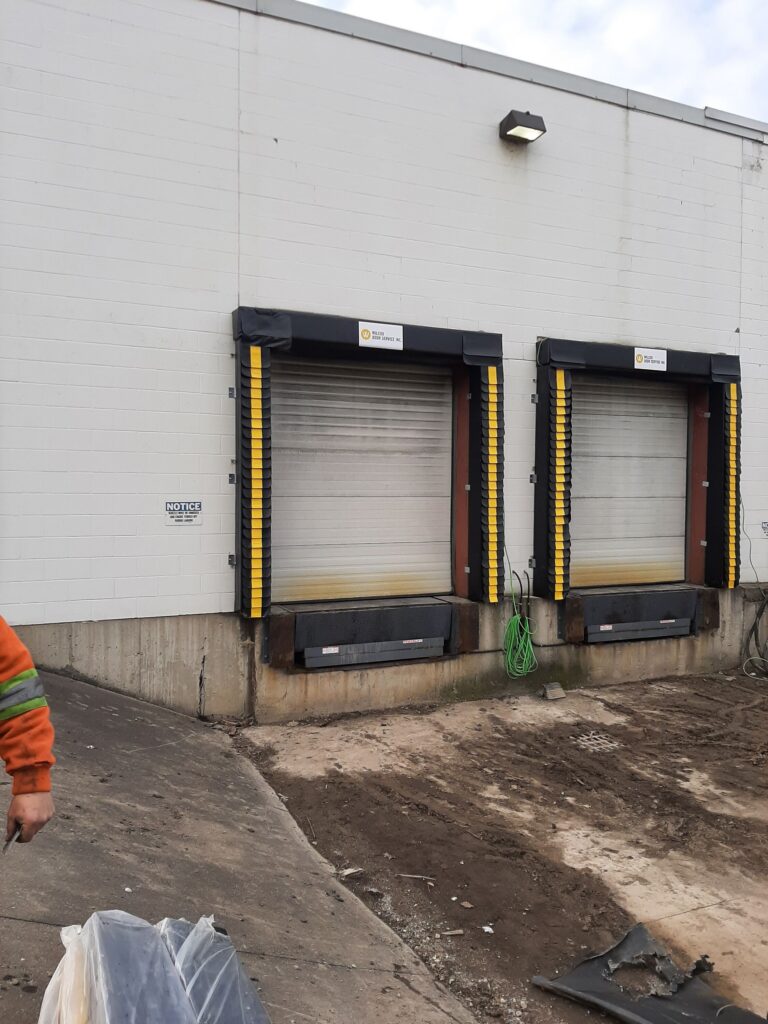
Deciding on a building’s exterior is a major investment, and the curtain wall vs window wall debate is often at the heart of the decision. In simple terms, a curtain wall is a glass facade that hangs outside the building’s structure, often spanning multiple floors like a continuous curtain. A window wall, in contrast, is installed between the floor slabs on each individual level. This core difference dictates everything from performance and cost to installation and long-term maintenance.
This guide will provide a clear, practical comparison to help facility managers and building owners in Canada make an informed choice. You will learn:
- How each system integrates with a building’s structure.
- The key differences in thermal performance and structural integrity.
- How each system manages water and air infiltration in harsh weather.
- How to evaluate upfront costs against long-term lifecycle value.
Understanding these factors is key to ensuring your entire building envelope—from the main facade to your commercial doors—is secure, efficient, and built for lasting performance.
At a glance, the primary trade-off is often between the lower initial cost of a window wall and the superior long-term performance and durability of a curtain wall system.
Quick Comparison: Curtain Wall vs Window Wall
Before diving into the technical details, this high-level overview shows how the two systems stack up.
| Characteristic | Curtain Wall | Window Wall |
|---|---|---|
| Installation Method | Hung outside the building’s structure, spanning multiple floors | Installed between the floor slabs on each level |
| Structural Load | Supports only its own weight; transfers wind load to the structure | Supported by the floor slab below it |
| Primary Application | High-rise buildings, landmark projects, large glazed areas | Mid-rise residential, hotels, projects with budget constraints |
| Weather Performance | Generally superior due to fewer joints and internal drainage | Relies heavily on perimeter sealant at each floor |
| Initial Cost | Higher | Lower |
| Maintenance | Lower; fewer sealant joints to inspect and replace | Higher; requires regular sealant inspection at slab lines |
This table is a starting point. The best choice always depends on your building’s specific demands and your long-term operational goals, reflecting our commitment to providing reliable service tailored to your needs.
Understanding the Structural and Installation Differences
To properly compare curtain wall vs window wall systems, we first need to understand how they are constructed. The way each system connects to the building’s main structure is the single biggest difference, influencing everything from aesthetics to long-term durability.

Alt text: Diagram showing a curtain wall hanging outside the building slab vs a window wall installed between slabs.
A curtain wall is a non-structural facade that hangs off the building’s floor slabs, much like a curtain on a rod. It functions as an exterior skin, creating a continuous, uninterrupted glass surface that can span multiple stories. Because it hangs outside the main structure, a curtain wall only supports its own weight and transfers external forces like wind back to the building’s primary frame.
How They Are Installed
The installation process highlights their fundamental structural differences and has practical implications for both new construction and future maintenance.
- Curtain Wall Installation: These systems are anchored to the face of the floor slabs. This method creates the sleek, uniform glass look seen on high-rise towers in cities like Toronto or Vancouver. The installation is typically done from the exterior using cranes and specialized equipment.
- Window Wall Installation: In contrast, a window wall is installed between the floor slabs on each story. It’s essentially a series of large, connected window units that rest on the slab below and stop just before the slab above. This slab-to-slab installation creates a visually segmented look where slab edges are often covered with opaque spandrel glass or metal panels.
The most significant distinction is load-bearing responsibility. A curtain wall is self-supporting and bypasses the structure, whereas a window wall relies on the floor slab directly beneath it for support.
This detail impacts more than just appearance; it affects how the system handles building movement and weather. A window wall, for instance, requires robust sealant joints at every floor to prevent water and air leaks. This creates more potential points of failure and future maintenance needs compared to a continuous curtain wall system. For facility managers, this directly impacts long-term inspection schedules and maintenance budgets—tasks just as vital as servicing your loading dock equipment or fire-rated doors.
Analyzing Structural Integrity and Thermal Performance
A building’s facade is its primary defense against Canada’s demanding climate. When comparing a curtain wall vs window wall system, their structural and thermal performance are critical factors that directly impact occupant comfort, energy bills, and the building’s long-term resilience.
A curtain wall’s continuous design, hung outside the building’s structure, provides a clear structural advantage. It forms an independent, uninterrupted envelope that can flex with the building—a crucial feature for high-rise towers subject to sway from wind and seismic forces. Because a curtain wall spans multiple floors as a single unit, it is engineered to handle this movement without stressing its seals.

Alt text: Diagrams illustrating better thermal performance in a curtain wall by bypassing the slab edge, reducing thermal bridging compared to a window wall.
Window walls, installed between floor slabs, present a different structural reality. Each unit is an independent frame, and movement between floors must be absorbed by sealant joints at the slab line. Excessive building movement can strain these joints, leading to premature failure and a high risk of leaks.
How Thermal Performance Differs
In a country with extreme temperature swings, thermal performance is a top priority. The primary enemy of energy efficiency in a facade is thermal bridging—the unwanted transfer of heat through conductive materials like concrete or aluminum.
A thermal bridge acts like a highway for heat to escape your building in the winter and enter during the summer, forcing your HVAC systems to work harder and increasing energy costs.
Curtain walls generally deliver superior thermal performance because they bypass the building’s floor slabs. This design minimizes the most significant thermal bridge in a multi-story building: the concrete slab edge. By hanging outside the structure, a high-performance curtain wall creates a more effective and continuous thermal break. In simple terms, a thermal break is a low-conductivity material (like plastic) placed within the aluminum frame to stop heat from passing through. Many of the same principles apply to other glass installations; our guide to commercial door glass options explores related concepts.
The Rise of High-Performance Window Walls
That said, modern window wall technology has improved significantly. While traditionally seen as less efficient, new designs now offer competitive thermal performance through key advancements:
- Advanced Thermal Breaks: They now incorporate more sophisticated polyamide strips inside the frames to reduce heat transfer.
- Improved Spandrel Design: Spandrel panels are the opaque sections that hide slab edges. Modern systems feature highly insulated designs that drastically cut heat loss at this critical junction.
When evaluating either system, understanding the U-factor in windows is essential. The U-factor measures how well a window resists heat flow—the lower the number, the better the insulation. Ultimately, the choice isn’t black and white. For a high-rise in a harsh climate, a curtain wall’s superior integrity often provides the best lifecycle value. For a mid-rise project on a tight budget, a modern, high-performance window wall can be a very practical and efficient solution.
How Each System Manages Water and Air Infiltration
When it comes to the curtain wall vs window wall comparison, how each system handles water and air is a make-or-break factor for long-term performance. Leaks are one of the costliest problems a facility manager can face, leading to mold, structural damage, and high energy bills.
A curtain wall’s design offers a more robust defense against the elements. Because it hangs as a continuous skin outside the floor slabs, it has far fewer horizontal joints—the primary weak spots for water entry. More importantly, curtain walls don’t just rely on sealants. They are engineered with internal drainage systems. Any water that gets past the outer gaskets is collected inside the aluminum frame and directed out through weep holes (small drainage holes) at the bottom. This pressure-equalized design actively manages moisture instead of just trying to block it.

Alt text: Illustration comparing a curtain wall’s internal weep hole drainage system to a window wall’s reliance on external sealants at slab joints.
The Challenge of Window Wall Sealing
Window walls face a different reality. Since they are installed slab-to-slab, they create a horizontal seam at every story. Each of these joints depends almost entirely on the quality and lifespan of the exterior sealant to keep water out. This design introduces numerous potential points of failure, each demanding perfect installation and regular inspections. Over time, these sealants will inevitably degrade from UV exposure and building movement, becoming a recurring maintenance issue.
The core difference lies in their water management philosophy. Curtain walls manage moisture with an internal drainage system, while window walls rely on forming a perfect exterior barrier with sealants.
Navigating Canada’s Strict Building Codes
The Canadian climate places extreme demands on a building envelope, and our building codes reflect this reality. These codes set much tougher standards for water penetration resistance than in the United States, often requiring resistance to pressures twice as high. This regulatory environment puts immense pressure on the performance of every component, especially the sealant joints in a window wall system. For facility managers, understanding these heightened requirements is essential for choosing a system that will remain compliant and durable. The quality and maintenance of all façade components, from glazing to sealants, are critical. For example, issues often highlighted in guides to glazing repairs can directly impact a system’s ability to resist infiltration, making proactive upkeep a priority.
A building’s ability to resist air and water is only as strong as its weakest link. A high-performance facade must be integrated with other high-performance components, like doors and vents. To learn more about securing these critical areas, you might be interested in our article on enhancing commercial door energy efficiency. A holistic view of the entire building envelope is the only way to guarantee a secure and cost-effective facility.
Upfront Investment vs. Lifecycle Costs: The Real Price Tag
When evaluating a curtain wall vs. window wall, it’s crucial to look beyond the initial price tag and consider the total cost of ownership. This long-term perspective is the key to making a sound financial decision for your facility.
On paper, window wall systems almost always appear more affordable. The materials are typically less expensive, and the slab-to-slab installation can be quicker and require less specialized equipment. For projects where the upfront budget is the primary driver, a window wall can seem like the obvious choice. However, initial savings can be misleading if you don’t factor in long-term operational and maintenance costs.

Alt text: A decision tree comparing the lower upfront cost of a window wall against the higher lifecycle costs for maintenance and energy versus a curtain wall.
The Total Cost of Ownership: A Deeper Dive
The true cost of a building facade reveals itself over its entire service life. This “lifecycle cost” includes not only the initial purchase and installation but also ongoing maintenance, energy bills, and eventual replacement. This is where the financial comparison becomes more nuanced.
Window walls tend to have higher long-term expenses in a few key areas:
- Higher Maintenance Budgets: With sealant joints at every floor, window walls have far more potential points of failure. These seals require regular inspection and will eventually need replacement—a costly and disruptive job.
- Increased Energy Bills: While modern designs are improving, window walls often can’t match the superior thermal efficiency of a curtain wall, leading to higher heating and cooling costs over time.
- More Frequent Repairs: A higher number of components and a heavy reliance on sealants mean a greater likelihood of needing isolated repairs to address leaks or drafts.
The Long-Term Payoff of a Curtain Wall
Conversely, curtain walls require a larger upfront investment due to more sophisticated engineering, robust materials, and complex installation. However, this initial cost is often balanced by significant long-term returns.
A curtain wall’s superior durability and minimal maintenance needs often result in a lower total cost of ownership, delivering a better return on investment over the building’s lifespan.
The financial advantages of a curtain wall include:
- Reduced Maintenance Costs: The internal drainage system and minimal exposed sealant joints dramatically reduce the need for frequent, expensive repairs, leading to a more predictable maintenance budget.
- Significant Energy Savings: By minimizing thermal bridging at the slab edge, curtain walls provide superior insulation, directly lowering energy consumption—a crucial factor as energy prices rise.
- Enhanced Building Value: The sleek, seamless aesthetic, combined with top-tier performance, can increase a property’s market value and attract premium tenants.
This preference for long-term performance is a clear trend, with the Canadian glass curtain wall market projected to hit USD 2,313.9 million by 2030. Unitized curtain wall systems, prized for their quality, are leading this trend. You can explore more about these market trends to understand the industry shift.
As your respected partners in reliable service, we believe in helping you see the full picture—from your facade to your commercial overhead doors—to ensure every investment is sound and cost-effective.
Making the Right Choice for Your Building Project
Ultimately, deciding between a curtain wall vs. window wall comes down to aligning the system with your project’s unique goals. The best façade is a strategic choice that supports your building’s performance, budget, and long-term value.
When to Choose a Curtain Wall
A curtain wall system is the premier choice for projects where performance, longevity, and aesthetics are paramount. It is the go-to solution for high-rise towers, landmark architectural projects, and facilities demanding the best in weather and thermal management.
A curtain wall is the ideal fit for:
- High-Rise Office or Residential Towers: These buildings require superior resistance to wind loads and building sway, where curtain walls excel.
- Hospitals and Research Facilities: The tightly sealed envelope needed for strict environmental and acoustic control is a hallmark of curtain wall systems.
- Prestige Projects: For buildings like museums or corporate headquarters, the sleek, uninterrupted glass look of a curtain wall is a core design element.
For these applications, the higher upfront investment is justified by decades of reliable performance and lower operational costs.
When a Window Wall Makes Sense
A high-performance window wall can be a practical and cost-effective solution, especially when the initial budget is a primary driver. As long as the system is properly specified and installed, it can handle Canada’s demanding climate.
A window wall is often best suited for:
- Mid-Rise Residential Buildings: The slab-to-slab installation can simplify logistics and speed up construction in condominiums and apartment complexes.
- Hotels and Student Housing: These projects often balance upfront cost with reliable performance, making window walls a strong contender.
- Projects with a Segmented Façade Design: If visible slab edges are an intentional part of the architectural aesthetic, window walls integrate perfectly.
While they may require more diligent sealant maintenance, modern, well-engineered window walls can deliver excellent thermal performance and durability.
The Deciding Factor: Quality Installation
Remember this critical point: a flawlessly installed window wall will always outperform a poorly installed curtain wall. The quality of the installation is paramount. Success hinges on the expertise of the team anchoring the system to your building. This principle extends to every part of your building envelope, from the main facade to the commercial doors that serve it. A high-performance wall system must be complemented by equally reliable components to create a truly secure and efficient facility.
The most successful building projects are those where every component is chosen not just for its individual merit, but for how it contributes to the performance of the entire system.
Making an informed decision today ensures a more predictable and cost-effective future for your property. By optimizing every aspect of your building envelope, you can significantly reduce long-term expenses. If you are exploring ways to improve your facility’s energy efficiency, you might be interested in learning about programs like the Enbridge Gas Direct Install Program.
Frequently Asked Questions About Facade Systems
Even with a good handle on the curtain wall vs window wall debate, facility managers often have practical, real-world questions. Here are answers to some of the most common inquiries.
Which System Offers Better Sound Insulation?
In almost every scenario, curtain wall systems provide superior acoustic performance. Their continuous, single-unit design has far fewer joints, which means fewer paths for exterior noise to enter the building. Curtain walls also accommodate thicker, specialized glass with acoustic interlayers designed to dampen sound. While you can improve a window wall’s sound insulation with high-performance glazing, the numerous joints at each slab edge remain potential weak spots for noise transmission. For facilities where quiet is a priority, like offices or healthcare centers, a curtain wall is typically the more effective choice.
How Do Long-Term Maintenance Needs Compare?
This is where the long-term cost of ownership really comes into focus.
- Window Walls: These systems rely on sealant joints around the perimeter of each unit. These joints require regular inspection and will likely need full replacement every 10-15 years—a labor-intensive job often requiring costly exterior access equipment. For a practical example, think of the regular maintenance required for loading dock seals; window wall sealants demand a similar, if not more intensive, level of proactive care.
- Curtain Walls: With very few exposed seals and an internal drainage system, curtain walls are far more resilient. While gaskets may eventually need attention, the system as a whole is less demanding on your maintenance team and budget.
The key difference is proactive vs. reactive maintenance. Curtain walls are built for low-maintenance durability, while window walls require an ongoing budget for sealant work to prevent failures.
Can I Retrofit a Building From a Window Wall to a Curtain Wall?
Yes, replacing a failing window wall with a new curtain wall is a common and highly effective building upgrade. The process involves carefully removing the old window units and then anchoring the new curtain wall directly to the building’s structural floor slabs. This type of retrofit can dramatically improve a building’s thermal performance, weather resistance, and aesthetic appeal. However, it requires meticulous engineering and planning to minimize disruption. Engaging building system experts from the start is essential—just as you would for a complex commercial door installation—to ensure the project delivers lasting value.
At Wilcox Door Service, our expertise covers your entire building envelope. As your respected partners, we deliver the reliable service you need to keep your facility secure and efficient.
Contact us today to schedule an inspection or discuss your facility’s needs.