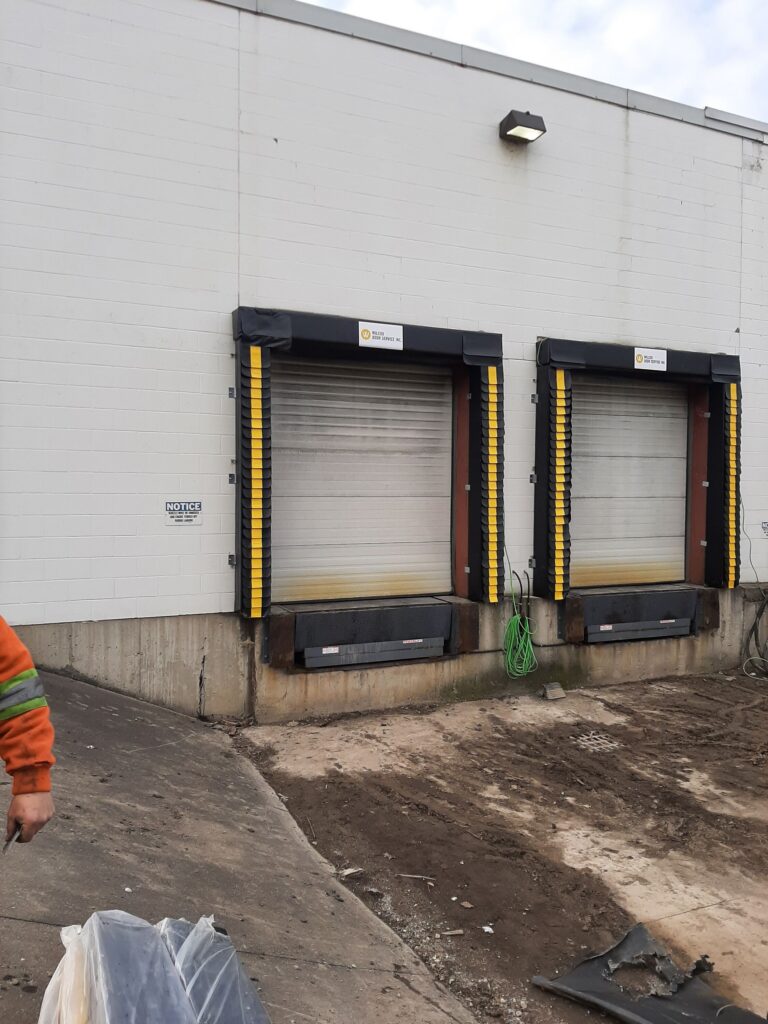
Meta description: Garage door windows replacement for Canadian facilities. Learn how to assess damage, stay compliant, reduce downtime, and choose the right repair.
A lot of facility managers find this issue the same way. Someone reports a cracked pane at a loading dock, a window has gone cloudy in a climate-controlled area, or a frame starts leaking cold air during a weather swing. At first glance, it looks minor.
In commercial settings, it usually isn’t.
Garage door windows replacement affects more than appearance. It touches security, thermal performance, fire code compliance, worker safety, and the reliability of the full door system. A failed insert can let moisture into the section, create a weak point in a high-cycle opening, or turn a compliant fire-rated assembly into a liability if the wrong glazing goes back in.
For Canadian facility managers, door performance is especially critical because doors work harder here. Cold weather, freeze-thaw cycles, coastal corrosion, forklift traffic, washdown environments, and tight uptime windows all put more pressure on glazing choices and installation quality. The right replacement keeps a door working. The wrong one leads to repeat calls, draft complaints, or inspection problems.
Beyond Curb Appeal Why Window Integrity Matters
A dock supervisor calls before first shift. One vision panel is cracked after a forklift strike, and the crew wants to tape it off and keep the door in service. That short-term fix often creates a longer list of problems. Water gets into the section, visibility drops at the threshold, and a damaged lite frame can loosen further under daily cycling.
In commercial facilities, window integrity affects how the whole opening performs. A failed insert can compromise sightlines at traffic doors, weaken the panel around the cutout, and create avoidable questions during a safety walk-through or insurer visit. For Canadian sites, those risks show up faster because cold snaps, washdowns, salt exposure, and frequent open-close cycles punish weak seals and aging frames.
Maintenance teams usually see the impact in four areas.
Safety at the opening. Clear visibility matters where pedestrians, forklifts, and delivery traffic share the same path. A cracked, hazed, or poorly fitted window reduces line of sight and can leave sharp edges or loose retainers in a high-contact area.
Building performance. Windows are part of the door section, not an accessory bolted on after the fact. When glazing fails, air leakage and moisture intrusion often follow. In heated service bays, refrigerated support areas, and conditioned warehouse space, that means comfort complaints, condensation, and extra strain on HVAC.
Security and damage spread. A broken pane signals an easy access point. If the impact also bends the retainer or distorts the panel skin, the problem extends beyond the glass and can shorten the life of that door section.
Code and rating exposure. Fire-rated and special-application doors need the correct glazing, frame, and installation method for that opening. Substituting a look-alike product can create inspection issues and liability if the assembly no longer matches its listing.
The practical rule is simple. If the window defect changes visibility, sealing, impact resistance, or the rating of the door, treat it as an operational issue and schedule it accordingly.
This is also where commercial advice needs to differ from residential DIY content. Facility managers are not deciding between window styles for curb appeal. They are weighing whether a replacement can be installed without disrupting shipping, whether the glazing suits a food plant or washdown area, and whether the repair preserves the door’s compliance status. For a broader look at window options by door application, this commercial garage door windows planning guidance is a useful reference.
Some warning signs overlap with standard building window failures, including fogging, cracked panes, and air leakage. The list in 7 Unmistakable Signs You Need New Windows is useful as a general comparison, but overhead doors add moving hardware, panel stress, and opening-specific safety requirements that need a commercial review.
Diagnosing the Damage and Choosing the Right Replacement
A dock door window that looks like a small repair can turn into a service interruption if the wrong part gets ordered. We see this often in Canadian facilities during winter. A cracked lite gets reported as a glass issue, but the underlying problem is a warped retainer, a wet panel core, or a failed insulated unit that no longer suits the opening.
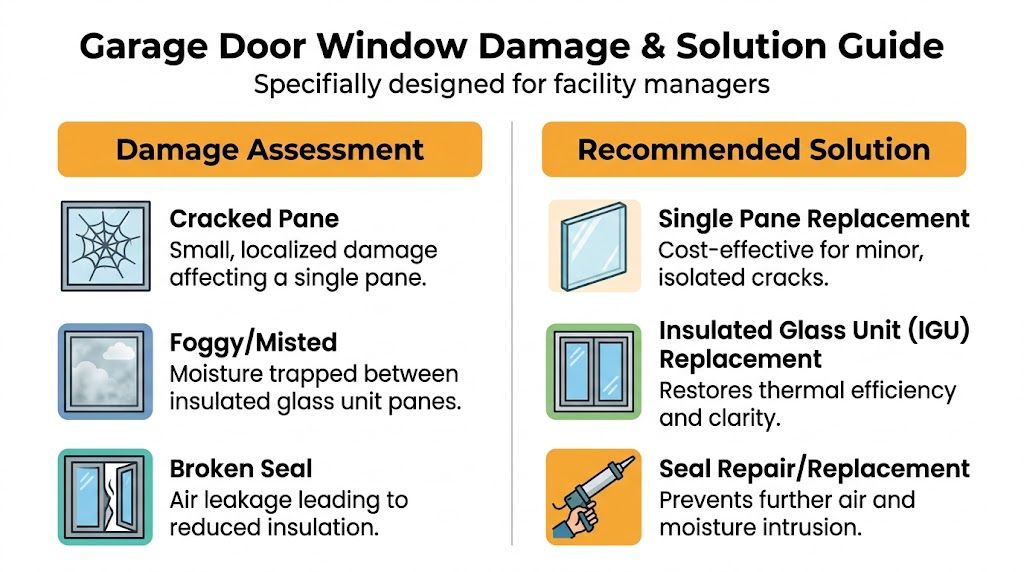
The first job is to define the failure correctly. Facility managers are not picking a window in isolation. They are deciding whether the opening can stay in service, whether the replacement will hold up to traffic and weather, and whether the door still meets the requirements tied to that building use.
What to check before ordering parts
Inspect the window with the door closed, secured, and taken out of service if there is any risk of falling glass or loose retainers. Then check the full assembly, not just the transparent area.
- Cracked or chipped glazing: Check for impact points, edge cracks, and spreading fractures. On a high-cycle commercial door, vibration can turn a minor crack into a safety issue quickly.
- Fogging between panes: This usually means the insulated glass unit has failed. Visibility drops, thermal performance drops, and condensation can become a recurring complaint near conditioned areas.
- Loose frame or retainer movement: If the insert shifts under light pressure, the problem may include fasteners, clips, the retainer ring, or deformation in the section itself.
- Water staining or rust trails: These point to a seal failure. In washdown areas, food facilities, and heated shops, moisture around the opening should be treated as a building maintenance issue, not cosmetic wear.
- Panel distortion: Sight down the section. If the panel is bowed, oil-canned, or softened around the cutout, replacing the glazing alone may waste money.
That last point matters. A damaged window opening can be a panel problem first and a glazing problem second. If the surrounding section has lost its shape or strength, commercial garage door panel replacement guidance is the better reference.
For teams that also manage office or storefront glazing, some symptoms overlap with standard window failures. 7 Unmistakable Signs You Need New Windows is residential in focus, but the signs around seal failure, drafts, and visible deterioration are still a useful comparison. The difference is that an overhead door window sits inside a moving assembly that flexes, cycles, and takes impact.
Match the replacement to the use of the opening
The right replacement depends on how that door works in the building. A service bay in Calgary, a refrigerated shipping area in Winnipeg, and a busy distribution dock in the GTA should not all get the same glazing spec.
Tempered glass fits many general commercial applications where clear visibility matters and impact exposure is moderate. It is a common choice for service centres, fleet buildings, and municipal facilities where staff need line of sight through the opening.
Polycarbonate is often the better choice near forklifts, pallet traffic, carts, and equipment movement. It handles abuse better than glass, but it can scratch, haze over time, and may not suit every rated assembly.
Insulated glass units make sense in conditioned spaces, attached facilities, and operations where drafts and condensation affect comfort, product quality, or heating cost. In Canadian climates, this choice usually deserves a closer look.
Commercial Garage Door Window Material Comparison
| Material | Impact Resistance | Insulation (R-Value) | Cost | Best For |
|---|---|---|---|---|
| Tempered glass | Moderate | Lower unless part of an insulated unit | Moderate | General commercial openings needing visibility |
| Insulated glass unit | Moderate | Higher, depending on build | Higher | Conditioned spaces, attached facilities, cleaner environments |
| Polycarbonate | High | Varies by build and assembly | Moderate to higher | Loading docks, high-cycle doors, impact-prone areas |
Trade-offs matter here.
Polycarbonate reduces breakage risk, but it may not hold optical clarity as well in harsh cleaning or abrasive environments. Insulated glass improves thermal performance, but it adds cost and can be a poor fit if the frame system or door section is already compromised. Tempered glass is practical in many openings, but repeated impact exposure can make it the wrong long-term choice at an active dock.
Specs on quotes should connect to building performance
A lot of window quotes are approved with only size and price reviewed. That misses the details that affect heating load, condensation, and service life.
- R-value is resistance to heat flow. Higher numbers mean better insulation.
- U-factor is the rate of heat transfer through the assembly. Lower numbers are better.
- Low-E coating reduces heat transfer while maintaining visibility.
- IGU stands for insulated glass unit, usually a sealed multi-pane assembly.
For Canadian commercial sites, these specifications affect operating cost and occupant comfort. They also affect whether the replacement makes sense for the room behind the door. An uninsulated replacement in a heated maintenance bay may solve the immediate breakage issue and create a condensation problem for the next several winters. Earlier in the article, we noted the business case for energy-conscious choices. At the opening level, the practical decision is simple. Match the glazing to the thermal demands of that area.
Confirm code, rating, and site conditions before approval
Commercial replacements fail at the approval stage when buyers focus on dimensions and skip listing requirements. That creates problems later during inspection, insurance review, or a fire door drop test.
Check these items before ordering:
- Is the door part of a fire separation or a rated assembly?
- Does the replacement glazing match the required listing for that opening?
- Are the frame, retainers, sealants, and fastening method approved for that assembly?
- Is the opening exposed to washdown, chemical cleaning, freeze-thaw cycling, or heavy impact?
- Will the repair preserve safe operation without overloading an aging section?
If the answer is unclear, stop and verify with the manufacturer, the listing information, or a qualified commercial door technician. That extra step protects uptime and avoids paying twice for the same opening.
The Professional Replacement Process Step-by-Step
A broken window in a commercial overhead door is rarely a stand-alone glass job. In a distribution yard, fleet bay, or municipal works building, the replacement has to protect safe operation, preserve the door section, and get the opening back into service without creating a new inspection or air leakage problem.
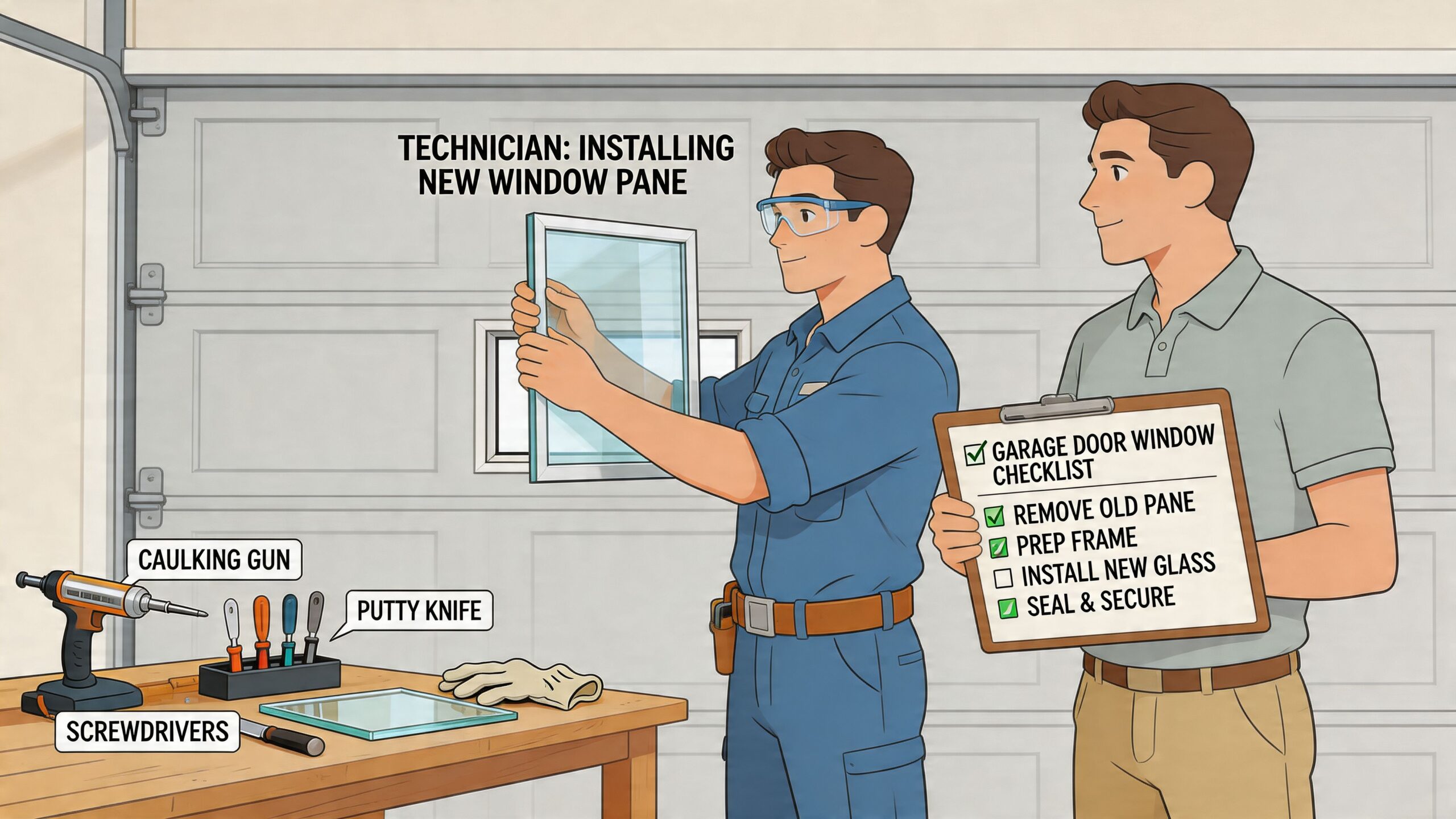
Step 1 Lock out the opening and confirm door condition
The first task is safe isolation. Power is disconnected where required, the door is secured against movement, and the crew verifies the section can be worked on safely before any retainers or glazing stops come off.
A competent technician also checks the condition of the surrounding panel, hinges, and track relationship at that section. If the opening is out of square or the panel has taken an impact, replacing the insert alone will not hold for long. In Canadian winter conditions, even a slight twist in the frame can turn into recurring drafts, moisture entry, and callbacks once freeze-thaw cycling starts.
Step 2 Remove the damaged glazing with containment in mind
Broken glazing creates more than a cut hazard. In active facilities, fragments can migrate into product areas, forklift routes, wash bays, or pedestrian paths.
That is why controlled removal matters. Technicians use PPE, contain the debris, and clear the frame fully before inspection. On insulated or specialty inserts, they also confirm whether the failure came from a direct strike, frame stress, or retainer pressure. The cause affects the repair. If the old unit shattered because clips were overtightened or the opening shifted, the same mistake will break the replacement.
Field note: When an insert resists removal, do not force the new one into the opening. Resistance usually points to frame distortion, corrosion buildup, or a retainer problem that needs correction first.
Step 3 Prepare the frame and perimeter materials
Good results depend on preparation. Old sealant, bent retainers, surface corrosion, and worn glazing tape all interfere with fit and service life.
The frame should be cleaned and inspected on all sides. Retainers need even pressure. The contact surfaces need to be dry and stable. If the perimeter sealing materials are failing, address them during the same visit. In many facilities, window leaks are tied to broader edge-seal issues around the door section, not just the insert itself. If the opening shows air or water infiltration at the margins, review the condition of the door weather seal and perimeter sealing components before signing off the repair.
Common frame issues include:
- Bent or fatigued retainers that apply uneven pressure
- Residue from old mastic or incompatible sealants
- Corrosion around exterior openings, wash bays, and salt-exposed sites
- Distortion in the door section after impact from equipment
Step 4 Install the specified insert and sealing system
Commercial replacement work is specification-driven. The new insert must match the approved size, thickness, tint or visibility requirement, and impact or thermal performance needed for that opening.
Sealant and gasket selection matter just as much. In cold regions across Canada, weak edge sealing usually fails before the glazing material does. Uneven compression, poor bead control, or overtightened clips can lead to air leakage, condensation, stress cracks, or premature movement inside the frame. These are avoidable failures.
For facility managers running multiple sites, standardizing the installation method helps reduce repeat service calls. Wilcox Door Service Inc. handles commercial door assessments and replacement work where documentation, site safety, and application fit are part of the job, not an afterthought.
A short visual helps show what a careful install process should look like in the field.
Step 5 Test the opening under operating conditions
The job is only complete after the door is cycled and observed as a working system. That means checking travel, listening for new chatter or binding, and confirming the insert stays stable under normal motion.
For commercial sites, sign-off should cover more than appearance. Confirm that:
- the door runs through its travel without added resistance
- the perimeter seal is consistent and free of visible gaps
- sightlines are clear enough for safe vehicle and pedestrian use
- the repair has not affected the status of a rated or regulated opening
That record matters. If the door later develops panel movement, leakage, or hardware stress, the facility team needs a clear baseline showing the opening was tested after the glazing work was completed.
Testing Common Pitfalls and Long-Term Maintenance
A warehouse door can pass its first cycle after a window replacement and still create trouble two weeks later. The usual pattern is familiar in commercial settings. Condensation shows up around the insert, a clip loosens, the panel starts to chatter, or staff report a draft at the same opening during a cold snap.
That is why post-repair testing has to go beyond a quick visual check. For Canadian facility managers, the paramount question is whether the repaired opening can hold up through traffic, weather, washdowns, and repeated cycles without creating a safety issue or another service call.
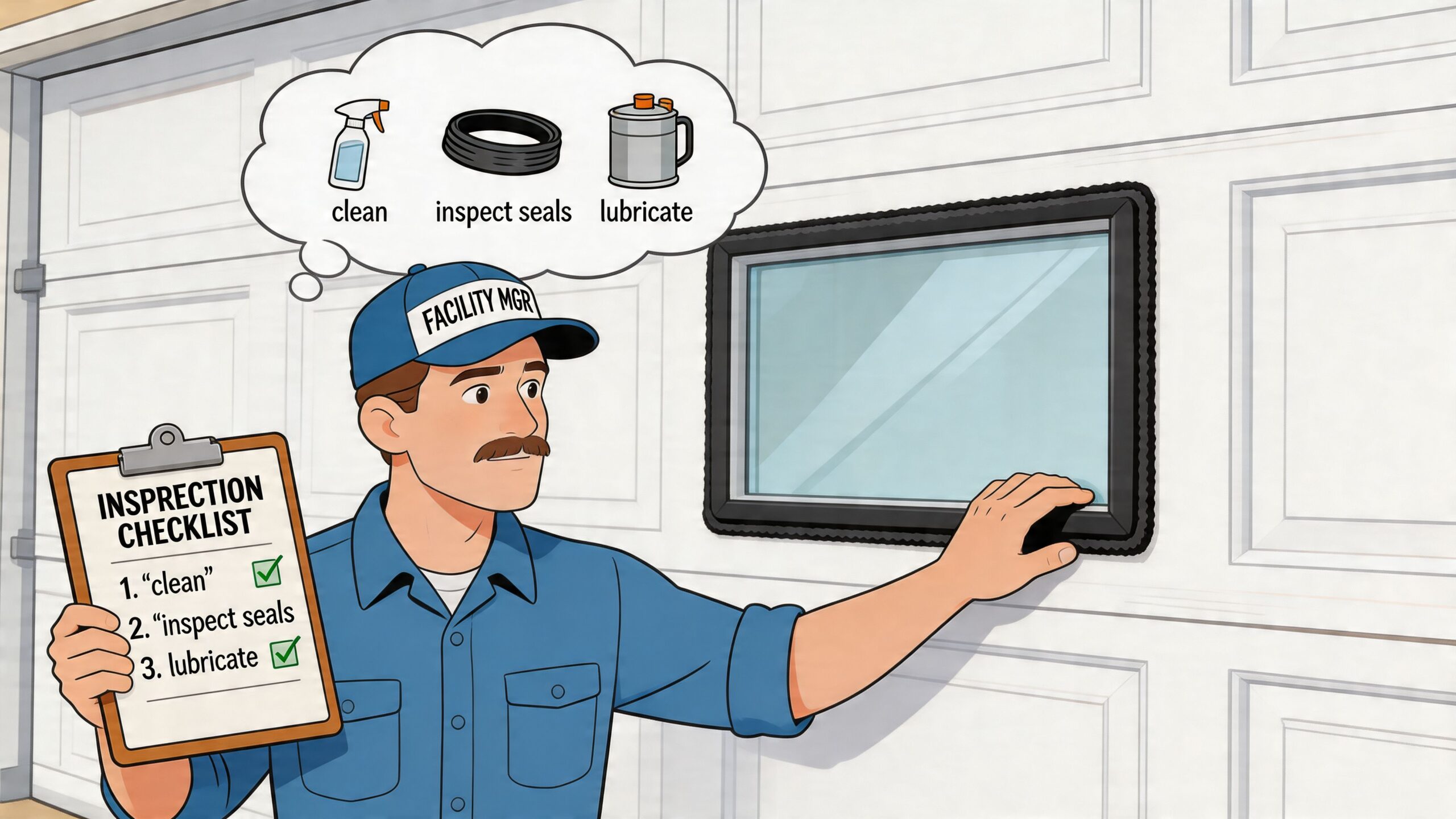
What must be tested after installation
Start with the window itself, then test the opening as part of the full door system.
Seal integrity comes first. Check the full perimeter from both sides where access allows. Daylight, uneven gasket compression, or moisture paths around the frame point to a problem that will usually get worse in winter.
Panel behaviour during operation comes next. Watch the section through several cycles and listen for new vibration, ticking, or binding. A slightly twisted frame or uneven retainer pressure can stay hidden when the door is parked, then show up once the door is under motion.
Fit for the actual application matters just as much. A replacement that performs acceptably in a light-duty service bay may fail early at a busy loading dock, food plant, or salt-exposed municipal site. Material choice, sightline needs, cleaning methods, and impact exposure all affect service life.
For regulated openings, confirm the repair has not changed the status of a rated, secure, or otherwise controlled assembly. That check is easy to skip and expensive to correct later.
Common mistakes that create expensive follow-up work
The repeat failures are usually predictable.
- Over-tightened clips or retainers: Excess pressure can crack glazing, distort the frame, or create stress points that show up after temperature swings.
- Wrong glazing material: Some inserts scratch, haze, or break down faster under UV, forklift traffic, washdown chemicals, or cold-weather impact.
- Out-of-square openings left in place: A new pane will not correct a distorted cutout or a panel that has already started to shift.
- Perimeter leaks left untreated: Air leakage and moisture intrusion around the insert often connect to wider sealing problems at the opening.
- No maintenance handoff: The repair gets completed, but nobody adds the door back into the site inspection routine or records what material was installed.
A window replacement can also expose older weaknesses in the door. We see that in multi-tenant industrial buildings where one panel repair reveals loose hardware, worn bottom seal contact, or section fatigue that had been masked by dirt and noise.
Judge the work by performance in service, not by how the new pane looks at handover.
A maintenance routine that protects the repair
Long-term performance depends on simple checks done consistently. That matters more at facilities with multiple doors, multiple shifts, and limited downtime windows.
A practical routine includes:
- Monthly visual checks: Look for cracks, fogging, retainer movement, edge wear, and signs of water tracking.
- Cleaning with compatible products: Use cleaners that will not haze plastic glazing or damage seal materials.
- Observed operating cycles: Watch the door run and note new noise, flexing, or movement in the glazed section.
- Review of the full sealing path: If the insert area leaks and the door perimeter also leaks, fix both. Commercial door weather sealer guidance helps connect insert performance to the rest of the opening.
- Service records: Record the glazing type, date, location, and any related panel or hardware issues. That record is useful across a portfolio, especially when different sites face different weather loads and compliance demands.
For busy commercial buildings, planned maintenance usually costs less than repeated callouts. It also reduces the chance that a minor glazing issue turns into lost heat, visibility problems, worker complaints, or an unscheduled door outage during shipping hours.
When to Call a Professional Service Partner
Some garage door windows replacement jobs are straightforward. Many commercial ones are not.
If the opening is on a standard sectional door in a low-risk area and the damage is limited to a simple insert, the scope may stay narrow. But once the door serves a loading dock, a cold chain area, a washdown room, a fire-rated barrier, or a high-cycle opening, the risk goes up quickly.
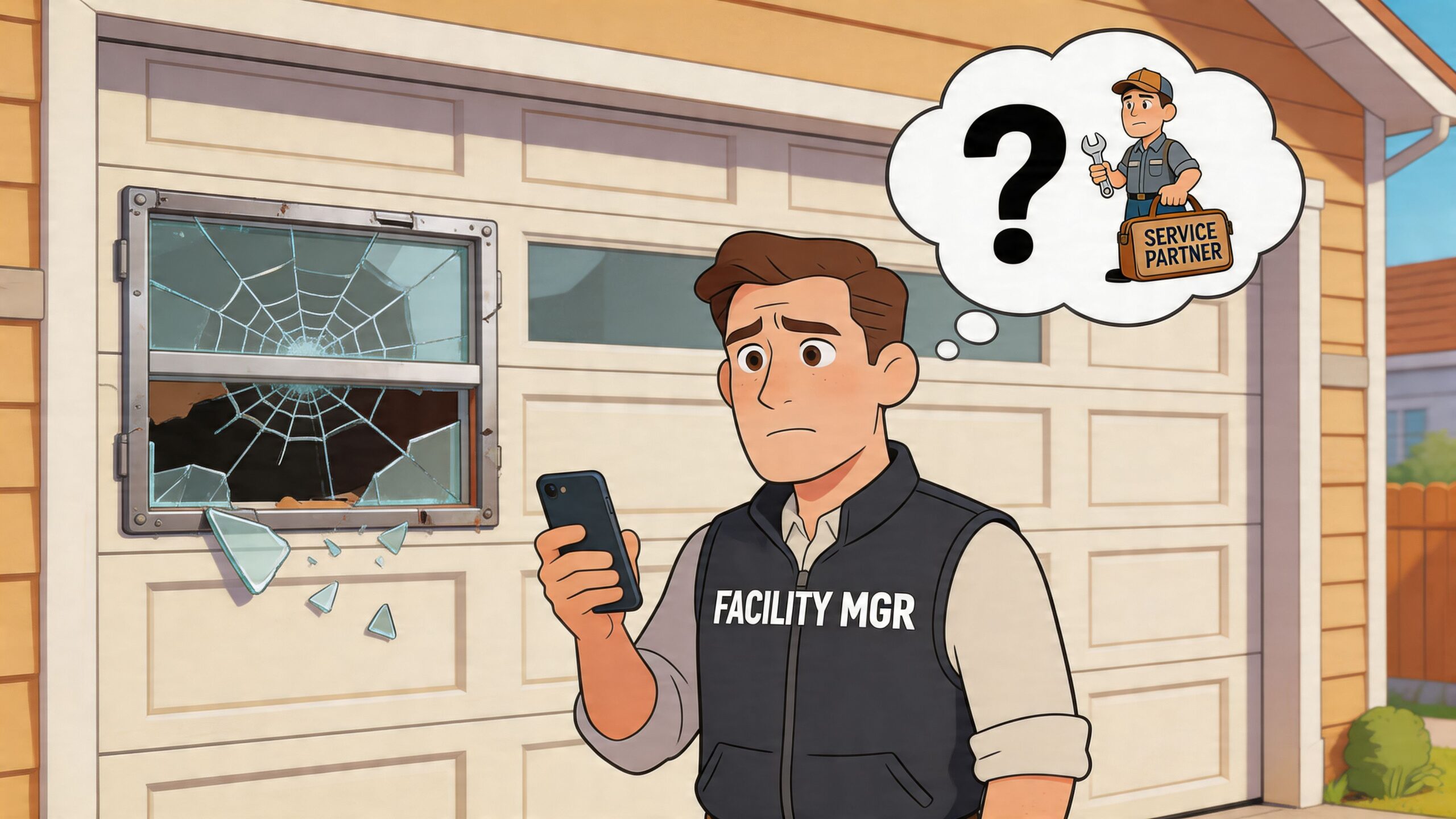
Situations where calling a professional is the smart move
Bring in a qualified service partner when any of these conditions apply:
- The door may be fire-rated: The glazing has to match the assembly and any required testing has to be preserved.
- The frame shows corrosion or distortion: That usually means the job is bigger than a pane swap.
- The opening is mission-critical: Shipping doors, clean environments, and secure access points don’t leave much room for trial and error.
- The facility runs multiple sites: Standardising materials, documentation, and service quality matters more than getting one quick fix.
- The repair has safety exposure: Broken glazing and stressed door components create real worker risk around the opening.
The labour and material costs are also easier to evaluate when you understand the range. Verified data places window replacement costs at $25 to $100 per window plus $200 to $500 in labour, depending on materials and scope, according to the commercial cost and safety reference here. That same verified source notes over 7,000 pinching injuries and 2,000 crushing incidents annually from faulty doors. For commercial operators, those numbers support a simple conclusion. Paying for qualified service is usually cheaper than absorbing the cost of an unsafe opening, a shutdown, or a repeat repair.
What good service should include
A professional partner should be able to explain the glazing choice in plain language, confirm whether the panel or frame also needs work, document compliance requirements, and verify door operation after the install.
They should also help you decide when a local repair no longer makes sense. Sometimes the correct answer is replacing the insert. Sometimes it’s replacing the panel. Sometimes the opening needs a broader retrofit because the original configuration no longer matches the facility’s environment.
The best time to escalate a window issue is before it affects shipping, safety, or an inspection.
Secure Your Facility with Reliable Door Solutions
A damaged garage door window isn’t just a broken piece of glazing. It can affect heat loss, visibility, security, code compliance, and the way the whole door performs under daily use. Good outcomes come from accurate diagnosis, correct material selection, disciplined installation, and ongoing maintenance.
For Canadian facilities, that combination protects uptime as much as it protects the opening itself. Respected Partners, Reliable Service starts with treating small defects before they become operating problems.
If you’re reviewing damaged door glazing, planning a retrofit, or trying to standardise repairs across multiple sites, contact Wilcox Door Service Inc. to schedule a service inspection or request a quote for commercial and industrial door solutions.